

Thinking About Clear Aligners? What to Know Before Starting Treatment
Have you ever looked at your smile in a photograph and wished your teeth were a little straighter? Perhaps you have noticed gaps between your teeth, crowding, or a slight overlap that makes you feel less confident when you smile.
If you are considering a way to straighten your teeth without the noticeable brackets and wires of traditional braces, clear aligners may be worth exploring.
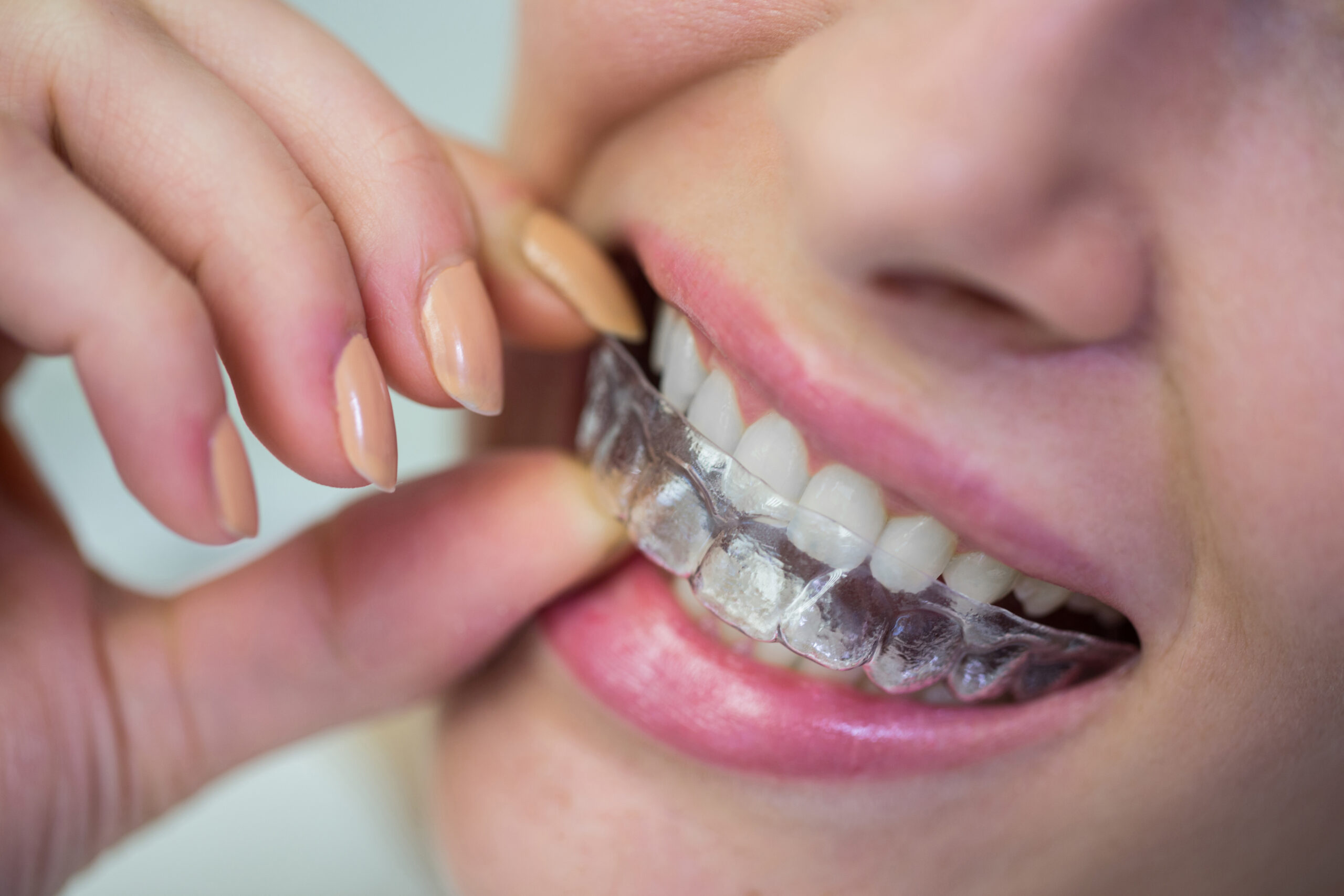
Clear aligners are removable, transparent trays designed to move teeth gradually according to an individual treatment plan. They can be convenient for many people, but they are not suitable for every orthodontic problem. Understanding how they work, what daily wear involves, and when another treatment may be more appropriate can help you take the next step with confidence.
If you are exploring clear aligners in Perungudi, Chennai, this guide explains the essential details to understand before beginning treatment.
What Are Clear Aligners?
Clear aligners are custom-made, transparent trays that fit over your teeth. Each set is designed to apply controlled pressure to particular teeth, gradually moving them towards planned positions.
Instead of using fixed brackets and wires, aligner treatment uses a series of removable trays. You progress through the sets according to the instructions provided by your dental professional.
People often consider clear aligners because they:
- Have a less noticeable appearance than conventional metal braces.
- Can be removed for meals and oral hygiene.
- Allow you to brush and floss without working around fixed brackets.
- May fit more easily into professional, academic, and social routines.
However, removable does not mean effortless. Clear aligners require consistent daily wear, regular dental reviews, and careful cleaning. Their effectiveness depends on the condition of your teeth, the complexity of your bite, and how closely you follow your treatment plan.
Who Can Consider Clear Aligner Treatment?
Clear aligners may help address several common alignment concerns, including:
Crowded teeth: When there is insufficient space for teeth to sit in a well-aligned position.
Gaps between teeth: When unwanted spaces appear between individual teeth.
Mild to moderate misalignment: When some teeth sit out of line or overlap.
Certain bite problems: Selected cases involving overbite, underbite, crossbite, or other bite irregularities may be treated with aligners, depending on their severity.
Not every case can be treated predictably with clear aligners alone. Some complex tooth movements, significant bite discrepancies, or other dental concerns may require traditional braces or a different treatment approach.
A dental assessment is therefore the starting point. Your dentist or orthodontist can evaluate your teeth, gums, bite, and overall oral health before recommending an option.
How Does the Clear Aligner Treatment Process Work?
Knowing what happens at each stage can make the decision less overwhelming. Although the exact process varies between patients and providers, treatment generally follows these steps.
1. Initial Dental Assessment
Your dentist examines your teeth, gums, and bite to understand what needs correction. They may review your dental history and recommend X-rays or other diagnostic records when clinically necessary.
This appointment helps establish whether aligners are suitable and whether any existing dental problems need attention first.
2. Digital Scans or Dental Impressions
Scans or impressions are used to record the shape and position of your teeth. Photographs and other records may also be taken to support treatment planning.
These records help the dental team plan the intended tooth movements and arrange the fabrication of custom aligners.
3. Personalised Treatment Planning
Your dental professional develops a plan based on your alignment concerns and treatment goals. You can discuss the expected stages, estimated duration, possible limitations, and costs before deciding to proceed.
A digital preview, when available, can help explain the proposed movements. However, a simulation is a planning aid, not a guarantee of the final result.
4. Wearing Your Aligner Trays
You receive your aligners with instructions about how long to wear them and when to change to the next set. Many treatment plans require approximately 20–22 hours of daily wear, although your provider will give you the specific schedule for your case.
You generally remove the trays for meals, drinks other than water, and brushing and flossing. Consistent wear is important because leaving aligners out for extended periods can affect progress.
5. Progress Reviews
Follow-up appointments allow your dental professional to check whether your teeth are moving as planned and whether the aligners continue to fit properly.
Some cases may require adjustments, additional aligners, or changes to the original plan. Do not switch trays faster than instructed simply to finish treatment sooner.
6. Retainers After Treatment
Once the planned tooth movements are complete, your dentist may recommend retainers to help maintain the new positions.
Teeth can shift over time, even after successful orthodontic treatment. Wearing retainers according to your dentist’s instructions is an important part of maintaining the result.
What Are the Main Benefits of Clear Aligners?
Clear aligners offer practical advantages for suitable patients. The most relevant benefits depend on your lifestyle, dental condition, and willingness to follow the treatment plan.
A More Discreet Appearance
The transparent material makes aligners less noticeable than many conventional braces. This can appeal to adults and working professionals who prefer a subtle treatment option.
Easier Daily Oral Hygiene
Because aligners are removable, you can brush and floss your teeth normally after taking them out. You still need to maintain good oral hygiene throughout treatment.
Fewer Food Restrictions
You remove your aligners before eating, so you do not have to avoid foods simply because they might damage a fixed bracket. You should clean your teeth before putting the trays back in.
Flexibility in Everyday Life
Removable trays can make meals and cleaning more straightforward. However, you must remember to wear them consistently and store them safely whenever they are out of your mouth.
A Planned Approach to Tooth Movement
Treatment is organised into stages, with each aligner designed for a particular phase of movement. Your dental professional monitors progress and determines whether the plan needs adjustment.
These benefits do not mean aligners are always better than braces. The most appropriate choice is the one that can address your particular dental needs safely and predictably.
Clear Aligners vs Traditional Braces: Which Should You Choose?
Both clear aligners and traditional braces can correct tooth alignment problems. Their suitability depends on the movements required, the condition of your teeth, and your ability to follow treatment instructions.
|
Feature |
Clear aligners |
Traditional braces |
|
Appearance |
Transparent and less noticeable |
Brackets and wires are visible, depending on the type |
|
Removability |
Removed for eating and cleaning |
Fixed to the teeth during treatment |
|
Oral hygiene |
Easier access to teeth when trays are removed |
Requires extra care around brackets and wires |
|
Daily commitment |
Requires consistent wear as instructed |
Remains in place throughout treatment |
|
Complex tooth movements |
Suitable for selected cases |
May offer better control for certain complex cases |
|
Food considerations |
Remove before meals |
Some hard or sticky foods may need to be avoided |
|
Follow-up care |
Regular monitoring is necessary |
Regular adjustments and monitoring are necessary |
There is no single option that suits everyone. During a consultation, ask your dental professional to explain the advantages, limitations, expected treatment time, and total cost of each suitable option.
How Long Does Clear Aligner Treatment Take?
There is no fixed treatment duration for every patient.
The time required depends on factors such as:
- How much the teeth need to move.
- Whether the bite also needs correction.
- The complexity of the planned movements.
- How consistently the aligners are worn.
- Whether refinements or additional trays are needed.
- How the teeth respond during treatment.
Some cases may take several months, while others may require a year or longer. Your dentist can provide an estimate after examining your teeth and preparing a treatment plan.
Be cautious of promises that guarantee a particular result within an unusually short period. Tooth movement must be planned and monitored appropriately, and treatment should not be rushed at the expense of oral health.
What Is the Cost of Clear Aligners?
The cost of clear aligners varies from one patient to another. There is no reliable single price that applies to every case.
Your treatment estimate may depend on:
- The complexity of your alignment or bite concerns.
- The number of aligners required.
- The expected length of treatment.
- The aligner system selected.
- The need for additional procedures or refinements.
- Retainers and follow-up care included in the treatment package.
When comparing clear aligner treatment options in Perungudi, ask for a written estimate that explains what is included. Check whether scans, reviews, refinements, retainers, and any additional dental work are covered or charged separately.
The lowest initial quote may not represent the total cost of completing treatment. A clear explanation of the treatment plan and fees makes it easier to compare options fairly.
What Should You Know Before Starting Clear Aligners?
Before committing to treatment, consider the practical responsibilities involved.
You Need to Wear Them Consistently
Clear aligners only work as planned when they are worn for the prescribed amount of time. Frequently removing them or forgetting to put them back can interfere with progress.
If your daily schedule makes consistent wear difficult, discuss this honestly with your dentist before starting.
You Must Maintain Good Oral Hygiene
Food and plaque can collect around your teeth if you put your aligners back in without cleaning your mouth. Brush and floss regularly, and follow the cleaning instructions provided for your trays.
You May Notice Temporary Discomfort
A new set of aligners can create pressure or mild soreness as the teeth begin to move. Some people also notice temporary changes in speech.
Persistent or severe pain, gum injury, or aligners that do not fit properly should be discussed with your dental professional rather than ignored.
Existing Dental Problems May Need Attention
Tooth decay, gum disease, or other oral health issues may need treatment before orthodontic care begins. Crowns, fillings, implants, and other existing dental work should also be discussed during your assessment.
You Need Professional Monitoring
Avoid starting tooth movement using an unassessed, self-directed treatment plan. A qualified dental professional can identify problems that may not be apparent from photographs or impressions alone and monitor your response throughout treatment.
How to Care for Clear Aligners During Treatment
Simple daily habits can help keep your trays clean and support good oral health.
- Remove your aligners before eating and drinking anything other than water, unless your provider gives different instructions.
- Brush and floss your teeth before reinserting the trays.
- Clean your aligners according to the manufacturer’s and dentist’s instructions.
- Avoid hot water, which may distort the tray material.
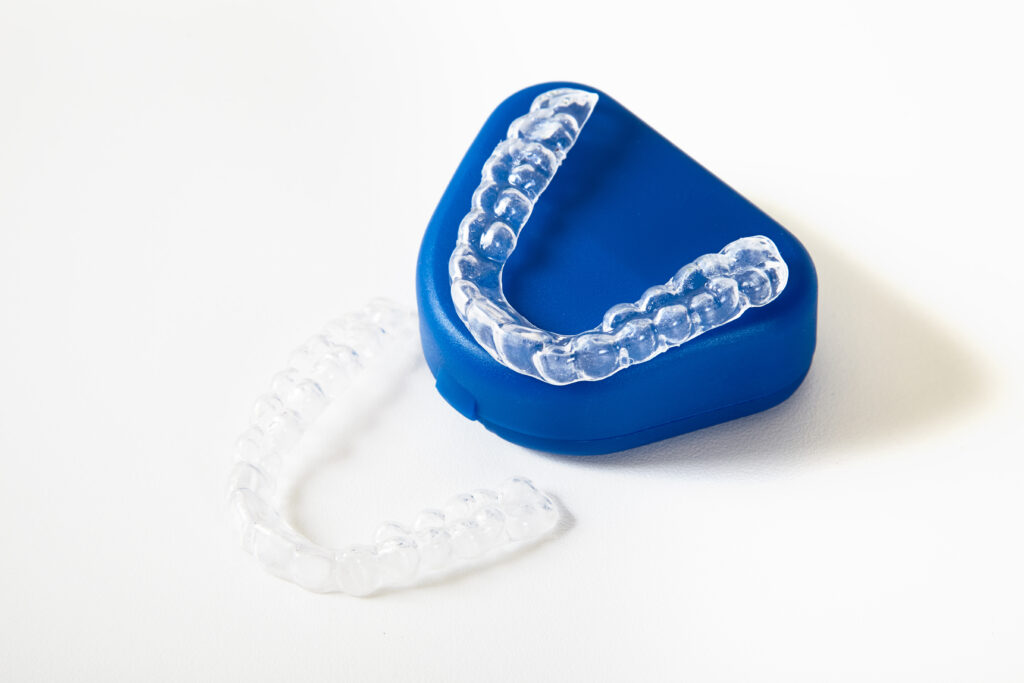
- Store removed aligners in their protective case rather than wrapping them in a tissue.
- Wear each set for the prescribed period and follow your changeover schedule.
- Attend follow-up appointments, even when your teeth appear to be moving as expected.
If an aligner cracks, becomes lost, feels unusually tight, or no longer fits properly, contact your dental professional for advice. Do not automatically move to the next set or attempt to reshape the tray yourself.
Questions to Ask Before Choosing Clear Aligners
A consultation should give you enough information to make an informed decision. Consider asking:
- Are clear aligners suitable for my teeth and bite?
- Would traditional braces offer a more predictable result in my case?
- What problems might prevent me from achieving the planned outcome?
- How many hours each day should I wear my aligners?
- What is the estimated treatment duration?
- What is included in the total cost?
- How often will I need follow-up appointments?
- What happens if my teeth do not move as planned?
- Will I need additional aligners or attachments?
- What type of retainer will I need after treatment?
A good treatment discussion should cover more than appearance. It should explain the clinical reasoning, practical responsibilities, risks, alternatives, and expected costs.
Exploring Clear Aligners in Perungudi, Chennai?
Choosing an orthodontic treatment is a personal decision. You may be looking for a less noticeable option, hoping to close gaps between your teeth, or simply wanting to understand which treatment suits your smile.
At Mr.Dentist in Perungudi, Chennai, patients can explore clear aligners and traditional braces as orthodontic treatment options. The clinic’s dental team can discuss your concerns and help you understand which approach may be appropriate after an assessment.
You can learn more about the available options on the Mr.Dentist Clear Aligners / Braces service page.
If you are considering clear aligners, arrange a consultation to discuss your dental condition, treatment expectations, estimated costs, and the next steps before making a decision.
Contact Mr.Dentist
- Address: No. R6, Panchayat Main Road, Corporation Road, Seevaram, Perungudi, Chennai – 600096
- Phone: +91 99624 27460
- Website: https://mrdentist.in/
A consultation can help you understand your options and decide on a treatment plan based on your individual dental needs.
Frequently Asked Questions About Clear Aligners
1. Are clear aligners suitable for everyone?
No. They can treat several common alignment problems, but some complex cases may require traditional braces or another approach. A dental examination is necessary to determine suitability.
2. Are clear aligners painful?
You may feel pressure or temporary soreness when you begin wearing a new set. Discomfort varies between patients. Persistent or severe pain should be assessed by your dental professional.
3. How many hours a day should I wear clear aligners?
Many treatment plans recommend around 20–22 hours daily. Your dentist will tell you the appropriate wear schedule for your case. Consistency is important for treatment progress.
4. Can I eat while wearing clear aligners?
In most cases, you should remove your aligners before eating. Water is generally the recommended drink while wearing them. Follow the specific instructions given by your dental professional and aligner manufacturer.
5. Are clear aligners better than braces?
Neither option is automatically better for every patient. Clear aligners are removable and less noticeable, while braces may be more suitable for some complex movements. Your dental professional can explain the options for your case.
6. How long does clear aligner treatment take?
Treatment may take several months or longer than a year, depending on the complexity of the case, daily wear, and how the teeth respond. Your dentist can estimate the likely duration after an examination.
7. What happens after clear aligner treatment?
Your dentist may recommend retainers to help keep your teeth in their new positions. Follow the recommended retainer schedule to reduce the risk of unwanted movement.
8. How much do clear aligners cost in Perungudi, Chennai?
The price depends on the treatment complexity, aligner system, number of trays, and what follow-up care is included. Ask for an individual treatment estimate before beginning.
9. Can I start clear aligners without visiting a dentist?
It is safer to have a qualified dental professional assess your teeth and bite before treatment and monitor progress. Unsupervised tooth movement can lead to problems that require further dental care.
10. Where can I discuss clear aligner treatment in Perungudi?
You can contact Mr.Dentist in Perungudi, Chennai, to ask about its clear aligner and braces services and arrange an assessment. Treatment suitability and costs can be discussed during your consultation.