

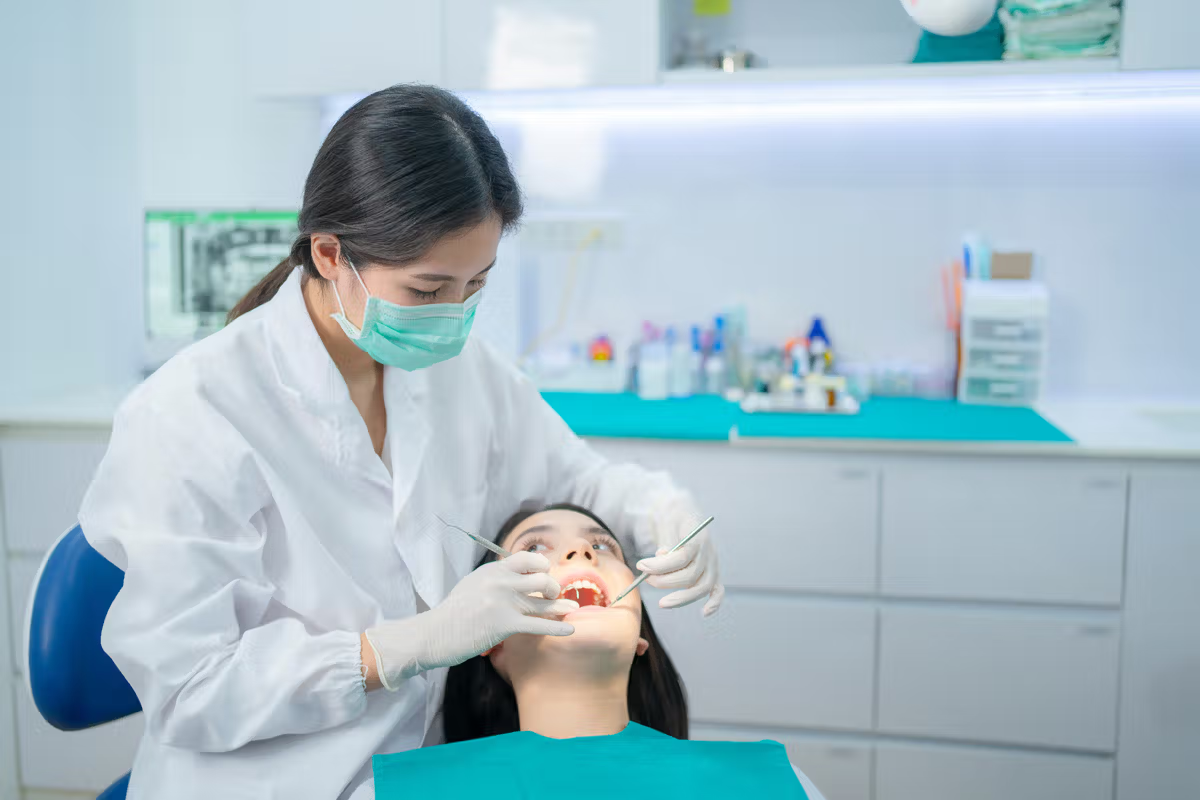
How Often Should You Visit a Dentist for a Routine Dental Check-Up?
Clinical Reviewer: Dr. Rajasekaran
Specialisation: Conservative Dentistry and Endodontics
Qualification: BDS, MDS
Experience: 32 Years Overall | 26 Years as a Specialist
Professional Membership: Indian Endodontic Society
Brushing twice a day, cleaning between your teeth and maintaining good eating habits are important for oral health. However, even with a consistent dental care routine, problems such as early tooth decay, gum inflammation and damaged dental restorations can develop without noticeable symptoms.
Routine dental check-ups help assess the condition of your teeth and gums, identify potential concerns and determine whether preventive care or treatment is needed.
But how often should you visit a dentist? Is a dental check-up every six months necessary, even when you do not experience tooth pain?
The answer depends on your individual oral health. While six-monthly appointments are common, the appropriate interval may vary according to your dental history, gum condition, lifestyle and risk of developing oral health problems.
Understanding what happens during a dental examination, which symptoms need attention and how to maintain oral health between appointments can help you make informed decisions about your dental care.
If you are looking for a dental clinic in Perungudi, Chennai, this guide explains what you should know before planning your next dental visit.
How Often Should You Visit a Dentist for a Routine Check-Up?
There is no single dental check-up schedule that is suitable for everyone. Many people follow a six-monthly appointment routine, but some may need more frequent examinations, while others with stable oral health may require fewer visits.
Your dentist determines the appropriate interval after considering several factors:
- Previous dental problems: A history of repeated cavities or dental infections may require closer monitoring.
- Gum condition: People with gingivitis or periodontitis may need regular periodontal assessments.
- Plaque and tartar accumulation: The amount of deposit and how quickly it develops can influence professional cleaning recommendations.
- Existing dental treatments: Fillings, crowns, bridges, dentures and implants may need periodic evaluation.
- Medical conditions: Diabetes and certain medications can influence oral health.
- Lifestyle habits: Tobacco use, frequent sugar consumption and oral hygiene practices may affect dental risk.
- Previous examination findings: Your dentist may recommend an earlier appointment if a particular condition needs monitoring.
For example, someone who frequently develops cavities may need closer supervision than someone with healthy gums, no recent tooth decay and consistent oral hygiene habits.
Quick answer: A dental check-up every six months is common, but it is not a compulsory interval for everyone. Your dentist should recommend a schedule based on your individual oral health and risk factors.
Why Should You Not Skip Regular Dental Check-Ups?
Dental problems do not always begin with pain. Changes in your teeth, gums and other oral tissues may develop gradually before you notice any symptoms.
A routine dental examination helps assess these areas and identify concerns that may need attention.
1. Identifying Early Tooth Decay
Tooth decay occurs when acids produced by oral bacteria gradually damage the tooth structure. It can develop on chewing surfaces, between teeth or near the gumline.
Early decay may not cause discomfort. During an examination, your dentist checks for visible signs of damage and may recommend further assessment if necessary.
Depending on the extent of the decay, management may involve preventive care, monitoring or restorative treatment such as a dental filling.
2. Monitoring Gum Health
Your gums support and protect your teeth. Plaque accumulation along the gumline can contribute to inflammation and may lead to gum disease if not managed appropriately.
Common signs of gum problems include:
- Red or swollen gums
- Bleeding during brushing or flossing
- Persistent bad breath
- Gum tenderness
- Receding gums
- Changes in the way your teeth fit together
A dental examination helps assess gum health and determine whether further periodontal evaluation or treatment is needed.
3. Checking Existing Fillings, Crowns and Dental Work
Previous dental treatments may require periodic assessment to check their condition.
Your dentist may examine fillings for wear or damage, check crowns and bridges for changes in fit, and assess the health of tissues surrounding dental implants.
This helps identify concerns that may require repair, replacement or further monitoring.
4. Assessing Plaque and Tartar Build-Up
Plaque is a sticky layer of bacteria that forms on tooth surfaces. When it is not removed effectively, it can harden into tartar, also known as calculus.
Brushing and flossing help control plaque, but hardened tartar generally requires professional removal.
During a dental appointment, your dentist can assess whether professional teeth cleaning is needed based on the amount of deposit and your gum condition.
5. Examining Other Oral Tissues
A dental examination may also include checking the tongue, inner cheeks, palate and other soft tissues.
Persistent ulcers, unusual patches, lumps or other changes should not be ignored. A dental professional can assess whether further investigation is necessary.
What Happens During a Routine Dental Check-Up?
A routine dental check-up involves more than looking at your teeth. It includes an assessment of your oral health based on your symptoms, dental history and clinical findings.
Here is what you can generally expect during a dental visit.
1. Review of Your Medical and Dental History
Your dentist may ask about previous dental procedures, medical conditions, medications and any symptoms you have experienced since your last appointment.
Mention tooth sensitivity, bleeding gums, jaw discomfort or changes in your oral health, even if they seem minor.
2. Examination of Your Teeth
The dentist examines your teeth for visible signs of tooth decay, cracks, worn surfaces, damaged restorations and other concerns.
Areas between the teeth and surfaces that are difficult to inspect at home may also require closer assessment.
3. Assessment of Your Gums
Your dentist checks for gum redness, swelling, bleeding, recession and other changes.
If signs of gum disease are present, a periodontal assessment may be recommended to evaluate the tissues supporting your teeth.
4. Examination of Oral Soft Tissues
The tongue, cheeks, palate and other oral tissues may be examined for unusual changes.
Inform your dentist about sores, ulcers or patches that persist, recur or appear different from normal.
5. Dental X-Rays When Clinically Necessary
A visual examination cannot identify every dental problem. Dental X-rays may help assess areas between teeth, tooth roots and surrounding bone when additional information is needed.
However, X-rays are not required at every appointment. Your dentist decides whether imaging is appropriate based on your symptoms, dental history, examination findings and individual needs.
6. Discussion of Findings and Recommended Care
After the examination, your dentist explains the findings and discusses whether you need preventive care, professional cleaning, further investigations, treatment or monitoring.
You can also ask questions about your daily oral hygiene routine and when your next dental appointment should be scheduled.
What Are the Signs That You Need a Dental Check-Up Sooner?
Routine dental visits help monitor oral health, but you should not wait for your next scheduled appointment if new symptoms develop.
Arrange a dental evaluation if you notice:
- Persistent toothache or unexplained dental discomfort
- Bleeding gums during brushing or flossing
- Swollen, red or tender gums
- Sensitivity to hot, cold or sweet foods
- Pain while chewing or biting
- A cracked, chipped or damaged tooth
- Persistent bad breath despite regular oral hygiene
- Loose permanent teeth
- Changes in the fit of dentures or dental appliances
- Mouth ulcers or unusual oral changes that do not heal
When should you seek urgent care?
Severe tooth pain, facial swelling, fever associated with dental symptoms or rapidly worsening discomfort requires prompt professional assessment. Difficulty breathing or swallowing, especially when accompanied by facial or mouth swelling, requires emergency medical attention.
Do not delay seeking professional help simply because your next routine dental appointment is not due.
Who May Need More Frequent Dental Check-Ups?
Some individuals have a higher risk of developing dental problems and may benefit from closer monitoring.
People With Repeated Tooth Decay
If you have experienced multiple cavities, your dentist may recommend more frequent examinations to monitor new areas of decay and review preventive measures.
People With Gingivitis or Periodontitis
Gum inflammation and periodontal disease require appropriate assessment and management. People with a history of gum disease may need regular periodontal maintenance depending on their condition and response to treatment.
People With Diabetes
Diabetes is associated with an increased risk of gum disease, particularly when blood glucose levels are not well controlled.
Regular dental assessments can help monitor gum health and identify changes that need attention.
People Who Smoke or Use Tobacco
Tobacco use increases the risk of gum disease and other oral health problems. Regular dental examinations are important for identifying changes that may require further investigation.
People With Dental Implants, Crowns or Bridges
Dental implants and other restorations require appropriate care. Your dentist may periodically examine the restoration and surrounding teeth and gum tissues to identify signs of wear, inflammation or other concerns.
Children and Older Adults
Children need dental visits to monitor tooth development, identify early cavities and receive guidance on preventive oral care.
Older adults may need additional attention to gum health, dry mouth, tooth wear and existing dental restorations.
The appropriate frequency should be based on individual dental needs rather than age alone.
How Can You Maintain Good Oral Health Between Dental Visits?
The time between dental appointments is just as important as the examination itself. Consistent oral hygiene habits help reduce the risk of common dental problems.
Follow these practices:
- Brush twice daily: Use a soft-bristled toothbrush and fluoride toothpaste.
- Clean between your teeth: Use dental floss or a suitable interdental cleaning aid every day.
- Limit frequent sugar intake: Repeated exposure to sugary foods and drinks can increase the risk of tooth decay.
- Drink water regularly: Adequate water intake helps maintain moisture in your mouth.
- Avoid tobacco products: Tobacco use can negatively affect gum and oral health.
- Care for dental appliances: Follow your dentist’s cleaning instructions if you have braces, dentures, crowns or implants.
- Pay attention to changes: Seek professional advice for persistent pain, bleeding gums or unusual oral symptoms.
Good oral hygiene supports dental health, but it does not replace a professional examination.
Dental Check-Up vs Professional Teeth Cleaning: What Is the Difference?
A dental check-up and professional teeth cleaning are often discussed together, but they serve different purposes.
|
Dental Check-Up |
Professional Teeth Cleaning |
|
Examines your overall oral health |
Removes accumulated plaque and tartar |
|
Helps identify cavities and gum problems |
Helps manage deposits that cannot be removed effectively at home |
|
Includes assessment of teeth and existing restorations |
Focuses on cleaning tooth surfaces and areas around the gumline |
|
Helps determine whether further treatment is needed |
Does not replace a complete dental examination |
Both may be recommended during the same visit, depending on your oral health. However, professional cleaning is not automatically required at every check-up.
What Should You Ask Your Dentist During a Check-Up?
A dental appointment is an opportunity to understand your oral health rather than simply receive an examination.
Consider asking your dentist:
- Are my teeth and gums healthy?
- Do I have any early signs of tooth decay?
- Are there signs of gum disease?
- Do I need professional teeth cleaning?
- Are my existing fillings, crowns or other restorations in good condition?
- How often should I schedule my next dental examination?
- Are there improvements I should make to my brushing or flossing routine?
- Should I monitor any particular area of my mouth?
These questions can help you understand your dental condition and make informed decisions about recommended care.
What Determines the Cost of a Dental Check-Up in Perungudi?
The cost of a dental check-up in Perungudi may vary depending on the clinic, type of consultation and whether additional assessments or procedures are needed.
Factors that may influence the total cost include:
- Consultation requirements: A basic examination may differ from a more detailed assessment.
- Diagnostic imaging: Dental X-rays may involve additional charges when clinically required.
- Professional cleaning: Cleaning may be recommended separately depending on plaque accumulation and gum health.
- Additional investigations: Certain dental concerns may require further diagnostic evaluation.
- Treatment requirements: If a problem is identified, the cost will depend on the recommended procedure.
Before proceeding, ask the clinic what the consultation includes and whether additional charges apply. If treatment is recommended, request an explanation of the available options and estimated costs.
Dental Check-Up Enquiries at Mr.Dentist, Perungudi
Maintaining good oral health starts with understanding your dental condition and following an appropriate care schedule.
If you are looking for a dental clinic in Perungudi, Chennai, Mr.Dentist is located in Seevaram, Perungudi. You can contact the clinic to enquire about dental consultations, check-up appointments and available dental services.
Clinic: Mr.Dentist
Address: No. R6, Panchayat Main Road, Corporation Road, Seevaram, Perungudi, Chennai – 600096
Phone: +91 99624 27460
Website: https://mrdentist.in/
For appointment availability and consultation details, contact the clinic directly.
Frequently Asked Questions About Routine Dental Check-Ups
1. How often should I visit a dentist if my teeth are healthy?
The appropriate interval depends on your oral health and risk of developing dental problems. Six-monthly visits are common, but people with stable oral health may need a different schedule. Your dentist can recommend an interval after examining your teeth and gums.
2. Can I visit a dentist even if I do not have tooth pain?
Yes. Tooth decay and gum inflammation can develop without noticeable discomfort. Routine examinations help identify potential problems before they cause more obvious symptoms.
3. What is included in a routine dental check-up?
A routine dental examination may include checking your teeth, gums, existing restorations and oral soft tissues. Your dentist may also review your medical and dental history and recommend additional investigations when necessary.
4. Are dental X-rays necessary at every dental appointment?
No. Dental X-rays are recommended when they provide clinically useful information that cannot be obtained adequately through a visual examination. Your dentist decides whether imaging is needed based on your individual condition.
5. Is dental cleaning the same as a dental check-up?
No. A dental check-up examines your oral health, while professional cleaning removes accumulated plaque and tartar. Both may be recommended during the same appointment, depending on your dental condition.
6. Do children need routine dental check-ups?
Yes. Dental visits help monitor children's tooth development, identify early decay and provide guidance on oral hygiene. The frequency should be based on the child's age, dental health and individual needs.
7. Can gum disease develop without pain?
Yes. Early gum disease may not cause significant discomfort. Bleeding during brushing, gum redness, swelling and persistent bad breath can indicate a problem that needs professional assessment.
8. What happens if I skip regular dental check-ups?
Some dental conditions may remain unnoticed when examinations are delayed, particularly when they do not cause pain. The risk depends on your oral health, so your dentist can help determine an appropriate appointment schedule.
9. Where can I enquire about a dental check-up in Perungudi?
You can contact Mr.Dentist at +91 99624 27460 to enquire about dental check-up appointments and available services at its Perungudi location.