

The Invisible Shift: Transforming Smiles with Clear Aligners
Clinical Reviewer: Dr. Rajasekaran
Specialisation: Maxillofacial Implantologist
Experience: 10+ years
A change in the position of your teeth can influence how your smile looks and how your bite feels. Some people notice overlapping front teeth, uneven spacing or changes that have developed after previous orthodontic treatment. These concerns may lead them to consider different ways of improving dental alignment.
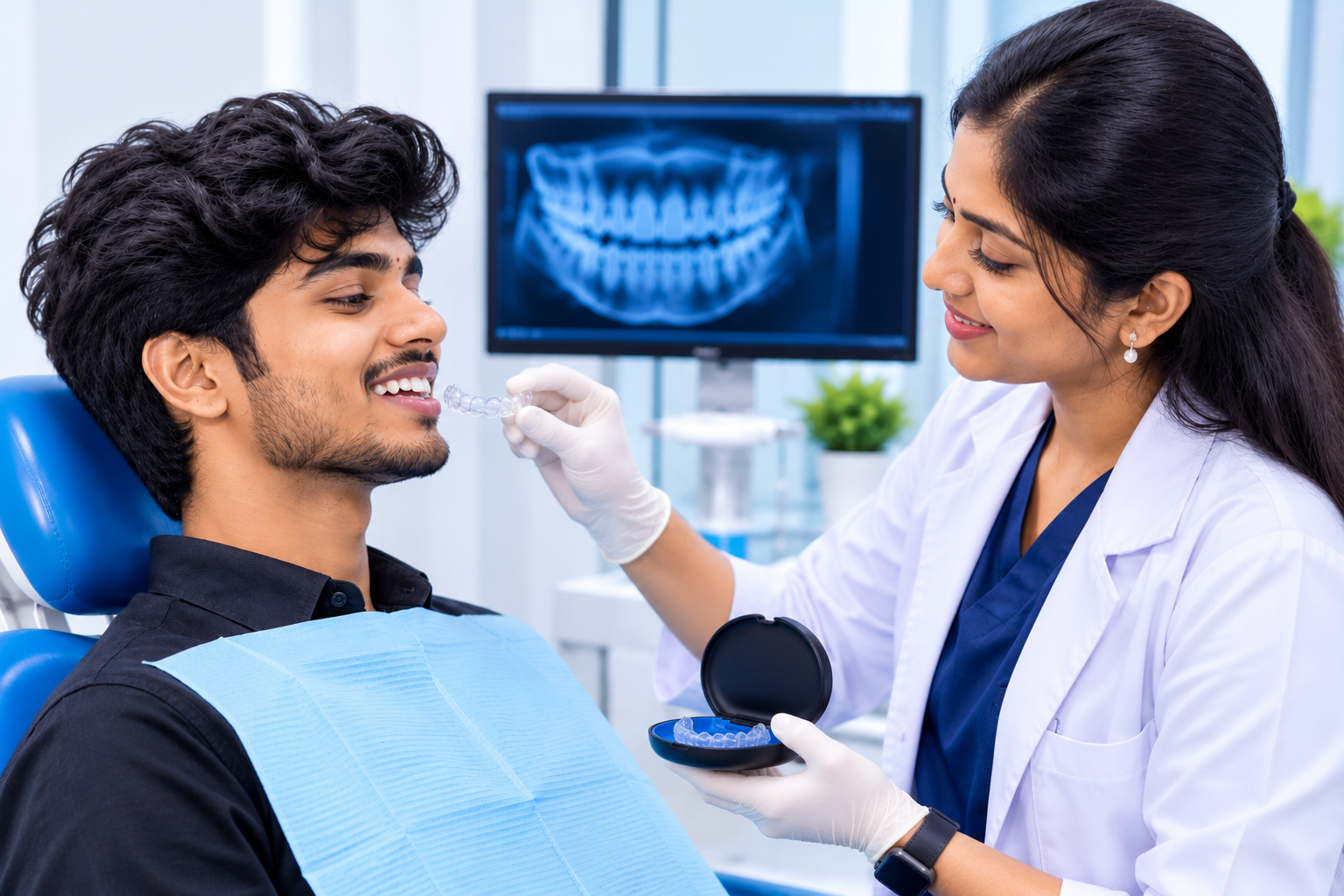
Clear aligner treatment is one option that uses a sequence of removable trays to guide selected teeth into planned positions. Instead of remaining attached to the teeth, the trays can be taken out for meals and routine oral hygiene. This makes them a consideration for people who prefer an orthodontic option that fits around their daily activities.
However, the suitability of this treatment depends on the type of alignment problem, the condition of the supporting tissues and the movements required. Patients considering clear aligners in Perungudi, Chennai, should understand the planning involved, the commitment required and the alternatives available before making a decision.
What Are Clear Aligners?
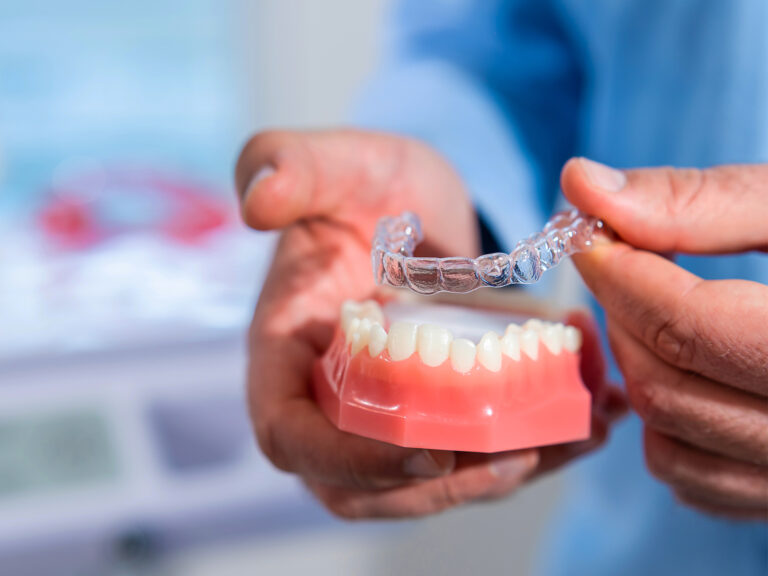
Clear aligners are individually prepared orthodontic trays made from transparent material. They fit over the teeth and apply controlled forces to selected areas to create gradual changes in tooth position.
Treatment generally involves multiple sets of trays rather than one permanent appliance. Each set is designed for a particular stage of the treatment plan. As the teeth respond to the applied forces, patients move to subsequent trays according to their dentist’s instructions.
The treatment process may involve:
- Recording the existing tooth positions through digital scans or dental impressions.
- Assessing the relationship between the upper and lower teeth.
- Planning the movements required for the individual case.
- Preparing a sequence of aligners based on the approved plan.
- Reviewing tooth movement at scheduled appointments.
Clear aligners are not simply transparent covers placed over the teeth. Their effectiveness depends on appropriate case selection, accurate planning and regular professional supervision.
Who Can Consider Clear Aligner Treatment?
The decision to use aligners depends on the nature of the dental concern rather than appearance alone. They may be considered for certain alignment problems when the required movements can be managed using removable trays.
Common concerns that may be assessed include:
Overlapping front teeth: When neighbouring teeth occupy overlapping positions and require planned alignment.
Uneven spacing: When spaces between teeth need to be reduced or distributed as part of an orthodontic plan.
Rotated teeth: When selected teeth have turned away from their intended position and require controlled correction.
Relapse after braces: When teeth have shifted following earlier orthodontic treatment, particularly if retainers were not used consistently.
Selected bite irregularities: Certain cases involving the way upper and lower teeth meet may be managed with aligners, depending on their complexity.
Factors That Influence Suitability
Before recommending treatment, a dental professional may assess:
- The amount of space available within the dental arches.
- The direction and extent of the required tooth movements.
- The relationship between the upper and lower jaws.
- Gum health and the condition of supporting bone.
- Existing restorations, crowns, bridges or implants.
- Whether additional dental procedures are needed.
- The patient’s ability to follow the prescribed wearing schedule.
Some complex orthodontic conditions may need fixed braces, specialist orthodontic treatment or a combined approach. A clinical examination helps identify the option that is appropriate for the individual.
How Does the Clear Aligner Treatment Process Work?
The treatment journey involves more than receiving a set of transparent trays. Assessment, planning and regular monitoring are important parts of the process.
1. Examination of Teeth and Bite
The dental professional begins by examining the alignment of the teeth, the way the jaws meet and the condition of the gums. Your dental history and previous orthodontic treatment may also be discussed.
This assessment helps identify the main concerns and determine whether aligner treatment can address them.
2. Collection of Dental Records
Digital scans or physical impressions may be taken to create a record of the existing dental arrangement. Photographs and X-rays may also be recommended when necessary.
These records provide information for planning the proposed tooth movements. The type of records required depends on the clinical findings.
3. Review of the Proposed Alignment Plan
The treatment plan outlines the movements intended for each stage. Your dental professional can explain the expected changes, limitations, estimated duration and possible need for additional procedures.
If a digital preview is available, it may help demonstrate the proposed sequence. Actual tooth movement can differ from a computer-generated simulation, so progress must still be monitored.
4. Receiving and Using the Trays
After the treatment plan is finalised, the prescribed aligners are provided. Your dentist explains how to place and remove them, how to clean them and when to move to the next set.
Many aligner systems require approximately 20–22 hours of daily wear. The exact schedule should be based on the instructions for your treatment.
5. Monitoring Tooth Movement
Scheduled reviews help the dental professional determine whether the teeth are responding as expected. The fit of each tray and the progress of planned movements are checked.
If some teeth do not follow the intended movement, the plan may need refinement. Additional trays or other clinical adjustments may be recommended.
6. Maintaining Alignment With Retainers
After the active phase is completed, retainers are generally prescribed to help prevent unwanted tooth movement.
The type of retainer and the recommended wearing routine depend on the patient’s treatment outcome. Retention should be treated as part of the overall orthodontic process rather than an optional final step.
What Are the Main Benefits of Clear Aligners?
For patients whose dental conditions are suitable, removable aligners can offer several practical features.
A Subtle Treatment Appearance
The transparent construction makes the trays less prominent than many conventional metal braces. This may be useful for people who prefer their orthodontic appliance to be less noticeable during conversations, meetings or social activities.
Freedom During Meals
Since the trays are removed before eating, patients can generally continue their usual meals without the same bracket-related food restrictions associated with fixed braces.
Access to Regular Cleaning
Removing the appliance allows patients to clean the tooth surfaces and spaces between teeth using their usual brushing and flossing routine. Maintaining oral hygiene remains important throughout treatment.
A Sequence-Based Treatment Plan
Each tray corresponds to a planned stage of tooth movement. This allows the dental professional to review progress against the intended treatment plan and decide whether changes are needed.
Removable Appliance Design
The trays can be removed for meals and cleaning, making certain everyday activities easier to manage. However, this flexibility comes with the responsibility of wearing them for the prescribed number of hours.
The benefits should always be considered alongside the clinical limitations. A removable appliance is not necessarily the most effective option for every alignment problem.
Clear Aligners vs Traditional Braces: Which Should You Choose?
Both treatment methods aim to improve tooth alignment, but they use different appliances and require different levels of patient involvement.
|
Feature |
Clear Aligners |
Traditional Braces |
|
Appliance design |
Removable transparent trays |
Fixed brackets connected by wires |
|
Visibility |
Generally less noticeable |
More visible, depending on the brace type |
|
Patient involvement |
Requires regular wear and tray changes |
Requires care and attendance for adjustments |
|
Eating habits |
Removed before meals |
Certain foods may need to be avoided |
|
Cleaning routine |
Trays are removed for brushing and flossing |
Additional cleaning around brackets is needed |
|
Treatment control |
Suitable for selected planned movements |
Can provide control for a wider range of tooth movements |
|
Maintenance |
Trays need cleaning and safe storage |
Brackets and wires need careful maintenance |
|
Retention |
Usually required after active treatment |
Usually required after active treatment |
Which Option May Be Appropriate?
Clear aligners may be considered when the required tooth movements can be managed through a removable appliance and the patient can maintain consistent wear.
Traditional braces may be recommended when greater control is needed for particular tooth movements or when the orthodontic condition is more complex.
The final decision should follow a clinical assessment. Discuss the advantages, limitations, expected duration and financial requirements of each suitable option before choosing treatment.
How Long Does Clear Aligner Treatment Take?
The treatment period is determined by the movements required and how the teeth respond throughout the process. Two people with similar-looking alignment concerns may still need different treatment plans.
The following factors can influence the timeline:
- Initial tooth position: The amount of correction required affects the number of planned stages.
- Bite relationship: Additional bite correction may make the treatment more involved.
- Daily wearing time: Not following the prescribed schedule can delay progress.
- Biological response: Teeth do not move at exactly the same rate in every individual.
- Additional refinements: Further trays may be needed if certain movements require adjustment.
- Review findings: Changes to the original plan may affect the overall duration.
Some straightforward cases may be completed within several months, while more involved treatment can take a year or longer. Your dentist can provide an estimated timeline after reviewing your dental records.
It is important to follow the recommended schedule rather than trying to accelerate treatment by changing trays early.
What Is the Cost of Clear Aligners?
The overall expense of clear aligner treatment depends on the clinical requirements and the details of the treatment package. The cost cannot be determined accurately without examining the patient’s teeth and preparing an individual plan.
Factors That May Affect the Treatment Fee
- Extent of correction: Cases involving more extensive tooth movements may need a larger treatment plan.
- Number of treatment stages: The quantity of trays required can influence the overall expense.
- Aligner brand or system: Different systems may have different pricing structures.
- Preparatory dental care: Gum treatment, fillings or other procedures may be required before orthodontic treatment.
- Additional refinements: Further aligners may be needed when the initial sequence does not achieve the planned movements.
- Retention arrangements: Retainers and related reviews may contribute to the total cost.
What Should Be Included in Your Estimate?
When discussing clear aligner costs in Perungudi, ask your dental provider to clarify:
- Whether scans and diagnostic records are included.
- Whether the quoted amount covers the complete planned treatment.
- How additional trays or refinements are charged.
- Whether routine review appointments are included.
- Whether retainers are part of the package.
- Whether any preparatory dental procedures involve separate charges.
A written estimate helps you understand the expected financial commitment before treatment begins. Avoid comparing prices without checking whether the services included are similar.
What Should You Know Before Starting Clear Aligners?
Removable orthodontic treatment involves responsibilities that should be considered before making a commitment.
Your Routine Needs to Support Daily Wear
Aligners need to remain in place for most of the day according to the prescribed schedule. Frequent removal may reduce the time available for planned tooth movement.
Think about your meal timings, work or study schedule and ability to follow the routine consistently.
Your Oral Health Must Be Assessed
Existing cavities, gum inflammation and other dental conditions may need attention before treatment. Moving teeth without addressing relevant oral health problems can create avoidable complications.
Some Adjustments May Be Needed
Certain cases require small attachments placed on selected teeth to help guide particular movements. Other additional procedures may be discussed depending on the treatment plan.
Your dentist should explain why these are required before proceeding.
The Treatment May Need Refinement
Not every tooth responds exactly as predicted. Some patients may need additional scans, revised planning or extra trays to address movements that remain incomplete.
This possibility should be discussed during the initial treatment consultation.
Results Depend on Continued Cooperation
Wearing the appliance, maintaining cleanliness and attending scheduled reviews are all important. Choosing a removable option does not remove the need for professional supervision or patient participation.
How to Care for Clear Aligners During Treatment
Taking care of the trays is part of maintaining a clean and comfortable orthodontic routine.
- Rinse the trays when removing them, following the recommended cleaning instructions.
- Use the cleaning products or method advised by your dental professional.
- Keep the aligners away from hot surfaces and hot water.
- Avoid using toothpaste or household cleaning products unless your provider confirms they are suitable for the material.
- Keep the trays in their case when they are not being worn.
- Do not leave them loose on tables, napkins or food wrappers.
- Clean your teeth before replacing the appliance after meals.
- Check the trays regularly for visible cracks or damage.
- Follow the prescribed sequence instead of changing sets independently.
If a tray becomes damaged, misplaced or difficult to seat, contact your dental professional. They can advise whether to continue with the current set, return to a previous one or take another appropriate step.
Questions to Ask Before Choosing Clear Aligners
Before agreeing to treatment, use your consultation to understand the clinical plan and the responsibilities involved.
- What is causing my current alignment problem?
- Can the required tooth movements be achieved with removable trays?
- Would fixed orthodontic appliances be more suitable?
- Are any dental treatments needed before alignment begins?
- Will attachments or other additional procedures be necessary?
- How frequently will my progress be reviewed?
- What should I do if a tray becomes damaged or goes missing?
- Are additional aligners included if refinements are needed?
- What is the complete estimated fee?
- How will my teeth be maintained after the active treatment period?
These questions can help you understand not only the proposed treatment but also what will be expected from you throughout the process.
Exploring Clear Aligners in Perungudi, Chennai?
Selecting an orthodontic option should begin with an understanding of your dental condition, not just the appearance of the appliance. The amount of correction needed, bite relationship and condition of the supporting tissues all influence the treatment recommendation.
At Mr.Dentist in Perungudi, Chennai, patients can enquire about clear aligner treatment and other orthodontic options. A consultation can help identify the alignment concerns, discuss available approaches and explain the considerations involved before treatment starts.
You can also visit the Mr.Dentist Clear Aligners and Braces service page for information about the clinic’s orthodontic services.
If you are considering treatment, arrange a dental assessment to discuss suitability, expected treatment stages and the estimated cost for your case.
Contact Mr.Dentist
- Address: No. R6, Panchayat Main Road, Corporation Road, Seevaram, Perungudi, Chennai – 600096
- Phone: +91 99624 27460
Frequently Asked Questions About Dental Implants
1. Are dental implants better than dentures?
Dental implants and dentures serve different needs. Implants provide fixed support for replacement teeth, while conventional dentures are removable. The right option depends on bone condition, oral health, budget and personal preferences.
2. How many days does it take to complete dental implant treatment?
The treatment may take several weeks to several months, depending on healing, bone integration and whether additional procedures are required. Your dentist can provide a more specific timeline after examination.
3. Can I eat normally after getting dental implants?
Patients are usually advised to eat soft foods during the initial healing period. Normal chewing can be gradually resumed according to the dentist's instructions and the progress of healing.
4. Can a dental implant replace a front tooth?
Yes. Dental implants can be used to replace missing front teeth when clinically suitable. Treatment planning considers appearance, gum condition, bone support and the position of neighbouring teeth.
5. Is bone grafting necessary for every dental implant?
No. Bone grafting is not required for every patient. It may be recommended when the available jawbone is insufficient to support the planned implant.
6.Can dental implants fail?
Yes. Although dental implants have good success rates in appropriately selected cases, failure can occur. Infection, poor healing, inadequate bone support, smoking and other health or mechanical factors may contribute.
7.Are dental implants safe for people with diabetes?
Some people with diabetes can receive dental implants, particularly when their blood sugar is well controlled. A medical and dental evaluation is important before treatment.
8.Do dental implants require special cleaning?
Implants require regular brushing and cleaning between teeth. Your dentist may recommend interdental brushes, floss or other cleaning aids based on the implant restoration.
9. Can I get an implant immediately after tooth extraction?
Immediate implant placement may be possible in selected cases. It depends on the condition of the extraction site, available bone, infection status and other clinical factors. It is not suitable for everyone.
10.What happens if I do not replace a missing tooth?
Depending on its position, a missing tooth may affect chewing, allow nearby teeth to shift and contribute to changes in the jawbone. A dentist can explain whether replacement is advisable in your situation.